• Twitter
  • LinkedIn
  • Facebook
Leave Your Message
0%

When it comes to firefighting, having dependable fire truck parts really makes all the difference. I read somewhere that, according to the National Fire Protection Association (NFPA), about 67% of fire departments say their response capabilities are hampered because their gear’s gotten old or worn out. That’s a pretty eye-opening stat, honestly. Making sure your equipment is well-maintained and knowing the key parts of a fire truck can honestly boost safety and efficiency big time.

Stuff like the pump, hoses, and aerial ladder? Those aren’t just extra features—they’re essential for fighting fires effectively. The Fire Apparatus Manufacturers’ Association (FAMA) emphasizes that using outdated or broken parts can have tragic consequences in emergencies. So, keeping these components in tip-top shape isn’t just a technical thing; it’s a matter of community safety and responsibility.

Of course, investing in good-quality Fire Truck Parts is smart—it can help prevent failures that could cost lives. But a lot of departments struggle with tight budgets and sometimes put off those critical upgrades. Still, recognizing those gaps is key to improving response times and, ultimately, saving lives. One handy tip? Keeping a checklist of the must-have parts can really help ensure nothing slips through the cracks and everything’s ready when you need it most.
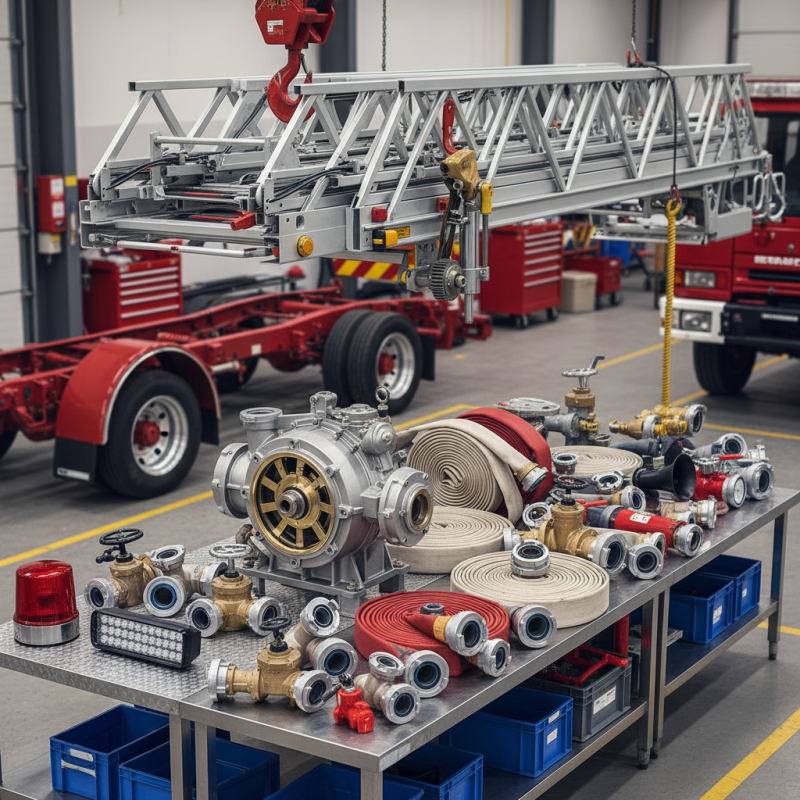
Essential Fire Truck Parts You Need to Know About?

Essential Components of Fire Trucks: Overview of Critical Parts

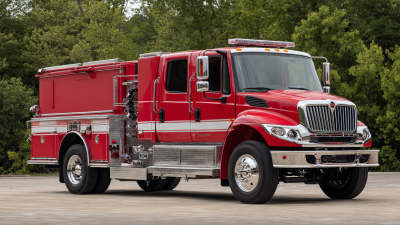
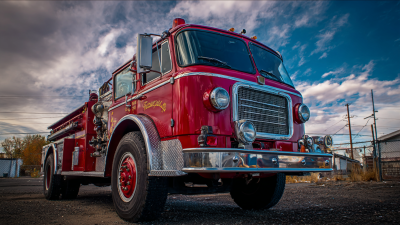
Fire trucks are complex machines, equipped with various critical parts that ensure their effectiveness in emergencies. The pump is a vital component, allowing firefighters to draw water from sources and deliver it at high pressure. Without a reliable pump, reaching a fire in time becomes challenging. Many assume all fire trucks have the same pump technology, but variations can exist.

Another essential part is the water tank. It holds a significant amount of water for immediate use. Insufficient water storage can impact response times. Firefighters often critique the capacity of tanks based on their area’s needs. It's a point of constant discussion. Additionally, hoses play a major role. Their durability and length determine how far firefighters can operate from their truck. In some instances, hoses may wear out faster than expected, leading to potential challenges in intense situations.

While focusing on these components, it's important to reflect on how design improvements can further enhance fire truck efficiency. Many fire departments wish for better access to Tow Truck Parts to adapt to their unique challenges. The evolution of these essential components must continue to meet modern demands. Each part serves a purpose, but can we always say they fulfill it optimally?

The Role of Fire Pumps in Firefighting Efficiency and Safety

Fire pumps play an essential role in firefighting efficiency and safety. These components deliver water at the necessary pressure to combat fires effectively. According to the National Fire Protection Association (NFPA), about 62% of firefighter injuries occur during fire suppression. Properly functioning pumps can help reduce this statistic by ensuring timely and effective fire response.

An effective fire pump must operate under demanding conditions. It should deliver the right flow and pressure consistently. Reports show that inadequate water supply significantly increases the risk of property loss. In urban areas, this risk is around 30% higher, emphasizing the need for robust Truck Cap Parts that contribute to pump reliability. Fire pumps often need maintenance to operate correctly. Many fire departments overlook this, leading to failures during critical moments.

In examining efficiency, the hydraulic performance of a fire pump is vital. Different firefighting situations demand various pump designs. For instance, some require high-pressure jets while others need high volumes of water. Understanding these nuances can lead to better equipment choices and planning. Nonetheless, many departments still struggle with these complexities, highlighting a gap in training and resource allocation.

Understanding Fire Hose Systems: Specifications and Standards

Fire hose systems are crucial for effective firefighting. They deliver water quickly and efficiently. Understanding their specifications and standards can help in selecting the right system.

The most common hoses are double jackets. They offer durability and resistance to abrasive surfaces. It's essential to choose hoses that meet the NFPA (National Fire Protection Association) standards. This ensures safety and reliability during emergencies.

**Tips**: Always check for wear and tear. Hoses that show signs of damage may fail under pressure. Consider the diameter of the hose as well. A larger diameter may be necessary for high-demand situations.

Fire hose fittings also play a vital role. They connect hoses to nozzles and hydrants. Ensure these are compatible with your truck's equipment. Using mismatched fittings can lead to leaks or bursts.

**Tips**: Store hoses properly to prevent kinks. Regular maintenance checks are essential for All Truck Parts. A proactive approach to upkeep will enhance performance and safety.

Essential Fire Hose Systems Specifications

This chart illustrates essential specifications for fire hose systems including diameter, maximum pressure, length, and material. Understanding these characteristics is crucial for selecting the right fire hose for specific firefighting needs.

Fire Apparatus: Importance of Aerial Devices in Urban Operations

Aerial devices play a crucial role in urban firefighting. They provide access to high-rise buildings. Firefighters need to reach elevated locations quickly. Time is often a matter of life and death. Many municipalities rely on these devices to enhance safety.


In larger cities, structures can be daunting. Atypical layouts require advanced equipment. Aerial ladders and platforms are indispensable. They give firefighters an advantage. However, some trucks may lack essential Attp Truck Parts. This can hinder operations and response times. Regular maintenance is vital.


While aerial devices are effective, they have limitations. Not every building can accommodate them. Narrow streets can complicate access. Firefighters must constantly adapt. Training is key to overcoming these challenges. Continuous learning helps in addressing unforeseen circumstances. Aerial devices are impressive, but they cannot replace strategic planning.

Critical Equipment: The Function of Water Tanks in Fire Suppression

Water tanks are crucial components of fire trucks. Their primary role is to store water needed during fire suppression. The capacity of these tanks can vary, typically holding between 500 to 3,000 gallons. Adequate water supply is essential for effective firefighting. Reports show that water usage efficiency can improve with well-designed tank systems.

Regular maintenance of water tanks is vital. Fire departments often overlook this aspect. Neglected tanks can develop leaks or contamination. This could lead to reduced water availability at critical moments. Firefighters should inspect tanks regularly. Understanding the tank capacity and condition can prevent failures.

Tips: Always monitor water levels. Empty tanks can hinder firefighting efforts. Conduct periodic checks for leaks. This proactive approach can save lives. Make sure tanks are properly cleaned. Contaminated water could endanger both personnel and victims. Remember, a well-maintained water tank is essential to a successful fire response.

Essential Fire Truck Parts You Need to Know About

Component Function Material Capacity Maintenance Tips
Water Tank Holds water for firefighting Aluminum 500 - 2000 gallons Regularly check for leaks and corrosion
Pump Transfers water from tank to hoses Cast Iron Varies with model Check pressure and functionality regularly
Hoses Distribute water to the fire Rubber and Synthetic materials 1.5 - 6 inches in diameter Inspect for leaks and kinks after each use
Nozzle Controls water flow and pattern Brass or Plastic Varies according to design Clean after use and check for blockages
Lights Illuminates the area during night operations LED Varies Inspect bulbs and wiring regularly

Safety Features: The Significance of Emergency Lighting and Sirens

Essential Fire Truck Parts You Need to Know About?

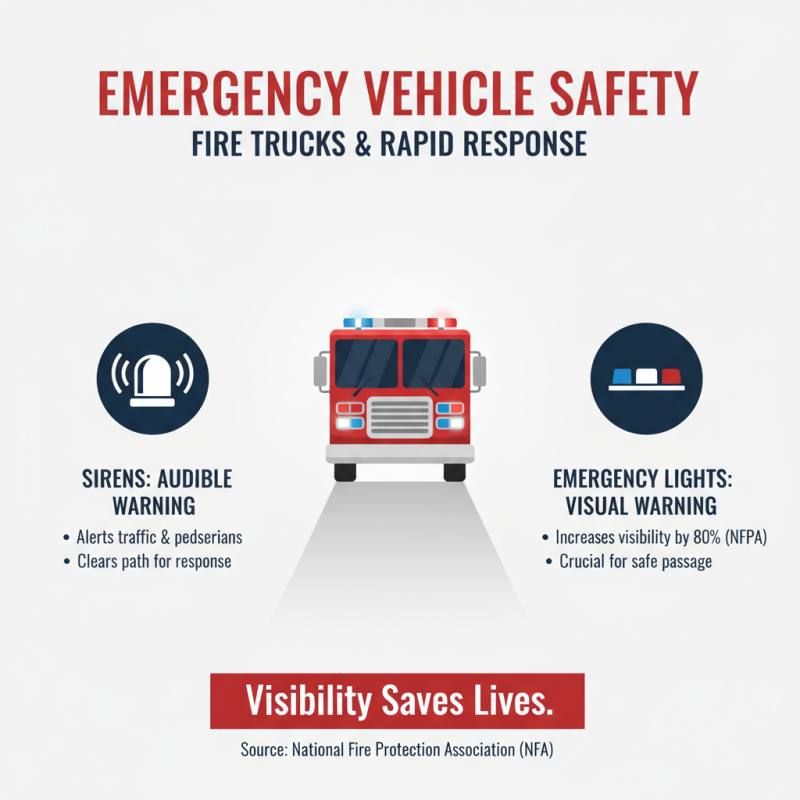
Emergency vehicles, particularly fire trucks, rely heavily on safety features like emergency lighting and sirens. These systems are crucial in ensuring swift responses during emergencies. According to the National Fire Protection Association (NFPA), emergency lights can increase response visibility by up to 80%. This visibility can mean the difference between life and death in critical situations.

Many fire departments emphasize the importance of having high-quality sirens. Sirens alert civilians and other vehicles, keeping paths clear for firefighters. The lack of effective sound systems can lead to delayed responses, increasing risks during emergencies. To improve safety, regular inspections of these systems are essential.

Tip: Always test your emergency lights and sirens monthly to ensure they are functioning properly.

It's important to remember that not all emergency response situations allow for perfect conditions. Weather and traffic can pose challenges. Thus, having a reliable communication system on board is vital. This technology helps firefighters coordinate and adapt as situations evolve. Training firefighters to effectively use these systems can enhance overall safety and preparedness.

Tip: Conduct regular training sessions focused on emergency systems for all crew members.

Maintenance Essentials: Common Fire Truck Parts and Their Upkeep Needs

When it comes to fire truck maintenance, understanding essential parts is crucial. Key components include hoses, pumps, and ladders. These parts require regular checks to ensure effectiveness. Hoses should be inspected for wear and tear. A small crack can lead to significant issues during a fire.

Pumps are vital for delivering water. Regular maintenance involves checking seals and connections. If something feels off, it might be time for service. Ladder functionality is also critical. It should extend smoothly and lock securely. Periodically clean the rails and hinges. Dirt can hinder operations.

Tips: Always keep a maintenance log. Recording issues helps in tracking recurring problems. Schedule routine inspections to avoid surprises. Engage the team in inspections. Diverse perspectives can uncover hidden flaws. Addressing small issues early can save money and enhance safety.

Analysis of Shacman F3000 8X4 and 6X4 12 Wheeler Dumper Used in Euro 3 & Euro 4 Compliance: Market Trends and Performance Insights

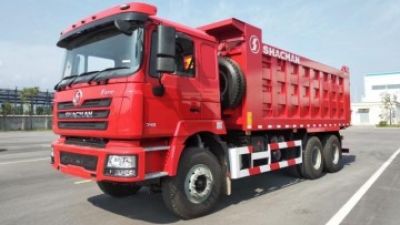
The analysis of the Shacman F3000 8X4 and 6X4 12 wheeler dumpers highlights their performance in Euro 3 and Euro 4 compliance, reflecting current market trends and insights. The Shacman F3000 6X4 dumper stands out with its powerful WP10.340E22 engine, engineered specifically to deliver exceptional torque and horsepower, making it an ideal choice for navigating challenging terrains. The vehicle dimensions—ranging from 8210mm to 8621mm in length, 2490mm to 2550mm in width, and 3450mm in height—coupled with a wheelbase between 3575 + 1400mm to 3975 + 1400mm, contribute to its robust capability in heavy-duty jobs.

Market trends indicate a growing demand for vehicles that meet stringent emission regulations without sacrificing performance. The F3000 series employs a fuel-efficient design, optimized for both load capacity and economy, with a rated load capacity of 12370kg to 12820kg and a gross vehicle mass of 25000kg. This blend of efficiency and capacity not only helps businesses adhere to compliance standards but also enhances operational profitability within the construction and transportation sectors. Industry reports suggest that the shift towards Euro 4 engines is anticipated to increase, prompting further innovations in vehicle design to achieve both efficiency and regulatory compliance, positioning the F3000 series competitively in the current market landscape.

FAQS

: What types of questions can I ask?

: You can ask about various topics, like health, life, and travel.

How can I improve my daily routine?

Start small. Include time for exercise, meals, and rest. Adjust as needed.

Is there a perfect way to work?

There isn't a perfect method. Everyone's needs vary. Reflect and adapt techniques.

How to handle stress effectively?

Identify stressors first. Practice breathing exercises. Weekly breaks can help too.

Can changing my environment help my mood?

Yes, a fresh environment can boost mood. Try redecorating or spending time outdoors.

What if I feel stuck in life?

Feeling stuck is common. Consider talking to someone or journaling your thoughts.

How often should I self-reflect?

Regular self-reflection is beneficial. Aim for at least once a week to assess feelings.

Is perfection necessary for success?

Perfection isn’t required. It's more about effort and progress, not flawlessness.

Can hobbies improve my well-being?

Yes, engaging in hobbies can be therapeutic. Choose activities that bring you joy.

What should I do if I make a mistake?

Mistakes are part of learning. Reflect on what happened and plan for improvement.

Conclusion

Fire truck parts are integral to firefighting operations, ensuring both efficiency and safety during emergency situations. This article examines essential components, starting with the role of fire pumps, which are crucial for delivering water at high pressure to combat flames effectively. Additionally, understanding fire hose systems, including their specifications and standards, is vital for efficient fire suppression.

The article also highlights the importance of aerial devices in urban environments, providing critical support in reaching elevated areas during firefighting efforts. Water tanks serve as a fundamental part of fire truck assemblies, enabling quick access to water for suppression. Furthermore, safety features like emergency lighting and sirens enhance visibility and alertness during operations. Finally, the article emphasizes the need for regular maintenance of common fire truck parts to ensure their reliability and functionality when every second counts. Overall, familiarity with these fire truck parts is essential for maximizing the effectiveness of firefighting efforts.
Ethan

Ethan

Ethan is a dedicated marketing professional at DEYANG HONGKAI AUTO TRADING CO., LTD., a company established in Sichuan Province, China, specializing in truck trading within the domestic market. His expertise in the automotive sector allows him to possess an exceptional understanding of the......
Previous Unimog Parts in 2025 Future Innovations and Strategies for Global Buyers